Branislav Nušić (1990)
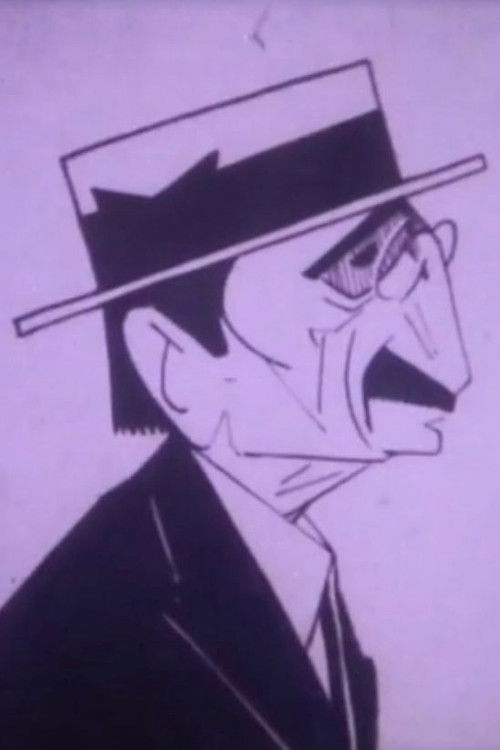
The movie is inspired by the book "Nova Klasa" by Milovan Đilas, a close associate of Josip Broz Tito, who later became a famous dissident. The book analyzes the process in which former "revolutionaries" become petty bourgeois. Wanting to imitate the classical bourgeois class in Serbia (which they destroyed with genocide, ethnocide, culturocide and urbanocide), they only manage to reach the level of provincial petty bourgeois. Their world resembles the world from Branislav Nušić's comedies. The quasi-elite even has fun with the characters and situations, recognizes themselves and enjoys their stupidity. Two horses in front of the National Assembly unsuccessfully try to prevent other "horses" from entering. The absurdity of what is happening in today's National Assembly even exceeds the imagination of Nušić.
Screenplay
Frequently Asked Questions
- What is Branislav Nušić about?
- The movie is inspired by the book "Nova Klasa" by Milovan Đilas, a close associate of Josip Broz Tito, who later became a famous dissident. The book analyzes the process in which former "revolutionaries" become petty bourgeois. Wanting to imitate the classical bourgeois class in Serbia (which they destroyed with genocide, ethnocide, culturocide and urbanocide), they only manage to reach the level of provincial petty bourgeois. Their world resembles the world from Branislav Nušić's comedies. The quasi-elite even has fun with the characters and situations, recognizes themselves and enjoys their stupidity. Two horses in front of the National Assembly unsuccessfully try to prevent other "horses" from entering. The absurdity of what is happening in today's National Assembly even exceeds the imagination of Nušić.
- Who directed Branislav Nušić?
- Branislav Nušić was directed by Jovan Jovanović, Stjepan Zaninović.
- How long is Branislav Nušić?
- Branislav Nušić has a runtime of 17m (17 minutes).
- What genre is Branislav Nušić?
- Branislav Nušić is a Documentary film.
- Where was Branislav Nušić produced?
- Branislav Nušić was produced in Yugoslavia.