Kanchana Sita (1978)
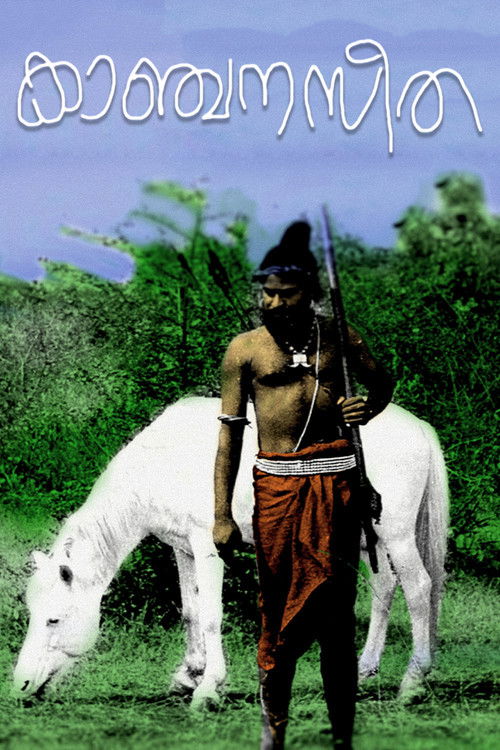
The film interprets a story from the Uttara Kanda of the epic poem Ramayana, where Rama sends his wife, Sita, to the jungle to satisfy his subjects. Sita is never actually seen in the film, but her virtual presence is compellingly evoked in the moods of the forest and the elements. The film retells the epic from a womens' liberationist perspective, and is about the tragedy of power and the sacrifices that adherence to dharma demands, including abandoning a chaste wife.
Director: Govindan Aravindan
Genre: Drama
Runtime: 76 min
Release Date: December 21, 1978
Cast
Screenplay
Music: Rajeev Taranath
Cinematography: Shaji N. Karun
Editing: Ramesan
Production: General Pictures
Country: India
Language: Malayalam, Sanskrit
Original Language: ml
Themes
Father-Son Conflict and Reconciliation
Keywords
husband wife relationship, horse, nature, hindu mythology, father son relationship
More Films by Director: Govindan Aravindan
More Films in Genre: Drama
Frequently Asked Questions
- What is Kanchana Sita about?
- The film interprets a story from the Uttara Kanda of the epic poem Ramayana, where Rama sends his wife, Sita, to the jungle to satisfy his subjects. Sita is never actually seen in the film, but her virtual presence is compellingly evoked in the moods of the forest and the elements. The film retells the epic from a womens' liberationist perspective, and is about the tragedy of power and the sacrifices that adherence to dharma demands, including abandoning a chaste wife.
- Who directed Kanchana Sita?
- Kanchana Sita was directed by Govindan Aravindan.
- Who stars in Kanchana Sita?
- Kanchana Sita stars Ramdas, Keshav Panicker, Ravindram Nair, Chinnapuliah, Venkateswarlu, Kondavalasa Lakshmana Rao.
- How long is Kanchana Sita?
- Kanchana Sita has a runtime of 1h 16m (76 minutes).
- What genre is Kanchana Sita?
- Kanchana Sita is a Drama film.
- Where was Kanchana Sita produced?
- Kanchana Sita was produced in India.
- What are the themes of Kanchana Sita?
- The themes of Kanchana Sita include: Father-Son Conflict and Reconciliation.