Catembe (1965)
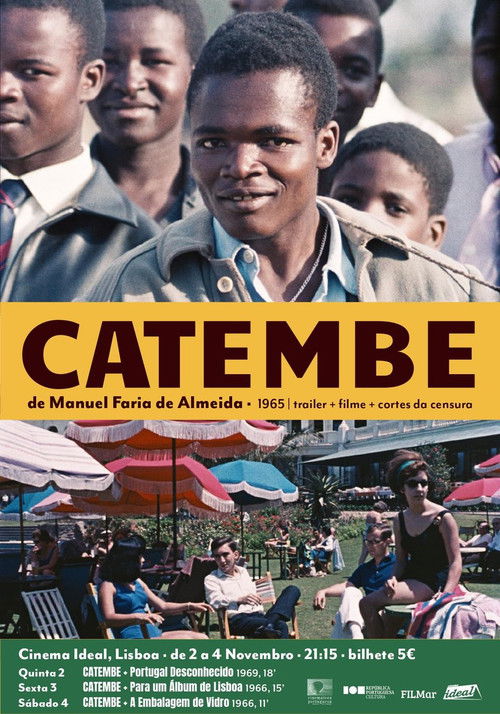
Catembe (1965) - Faria de Almeida yönetmenliğinde - Belgesel filmi - Manuela Arraiano, António Revez - Filmori'de değerlendir ve keşfet.
Yönetmen: Faria de Almeida
Tür: Belgesel
Süre: 45 dakika
Vizyon Tarihi: 6 Aralık 1965
Oyuncular
- Manuela Arraiano - Narrator (voice)
- António Revez - Narrator (voice)
- Filomena Lança - Catembe (uncredited)
- Amílcar Botica - South-African (uncredited)
- José Caldeira - Self (uncredited)
- Fernando Carneiro Mendes - Self (uncredited)
- Maria da Graça Serrão - Self (uncredited)
- Zita Domingues - Self (uncredited)
- Natália dos Reis - Self (uncredited)
- Matos Fernandes - Self (uncredited)
Senarist
Görüntü Yönetmeni: Augusto Cabrita
Kurgu: Margarethe Mangs
Yapım Şirketi: Fundo do Cinema Nacional
Ülke: Portugal
Dil: Português
Orijinal Dil: pt
Yönetmenin Diğer Filmleri: Faria de Almeida
Aynı Türdeki Filmler: Belgesel
Sıkça Sorulan Sorular
- Catembe filmi ne anlatıyor?
- Catembe (1965) - Faria de Almeida yönetmenliğinde - Belgesel filmi - Manuela Arraiano, António Revez - Filmori'de değerlendir ve keşfet.
- Catembe filminin yönetmeni kim?
- Catembe filminin yönetmeni Faria de Almeida.
- Catembe filminde kimler oynuyor?
- Catembe filminin başrol oyuncuları: Manuela Arraiano, António Revez, Filomena Lança, Amílcar Botica, José Caldeira, Fernando Carneiro Mendes.
- Catembe filmi kaç dakika?
- Catembe filminin süresi 45 dakika (45 dk).
- Catembe filmi hangi türde?
- Catembe filmi Belgesel türündedir.
- Catembe filmi hangi ülkede çekildi?
- Catembe filmi Portugal yapımıdır.